
The Nature of the Psychedelic Revelation
How to Change Your MindThe book repeatedly weighs a chemical explanation against the felt certainty that psychedelic experience discloses something beyond the individual mind.
increasing Bearing strength in each event
 decreasing
Bearing strength in each eventdecreasingA Chemical Cause
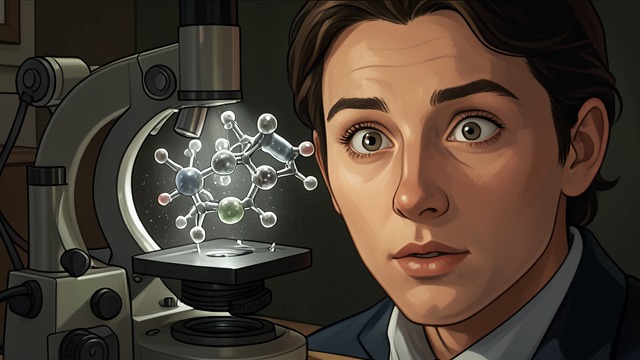
The Materialist Case
Molecules alter minds
Psilocybin’s action on the brain offers a clear natural account of why perception and feeling change. A chemical cause can seem to make spiritual content merely imaginary.
An incomplete conclusion
That mechanism explains an entry point, not why the resulting experience feels meaningful or authoritative. The material explanation does not automatically settle the experience’s significance.
The Beyond Appears
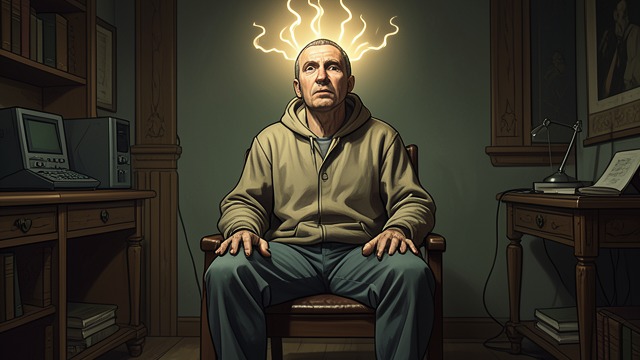
Transcendence as Testimony
An encounter felt as real
Participants describe unity, divine love, or a reality beyond ordinary perception. Some retain these convictions years after the drug has left their bodies.
Authority without proof
Their certainty matters to their lives, but it cannot by itself establish a shared metaphysical fact. The narrative keeps personal transformation distinct from public verification.
The Scientist’s Agnosticism
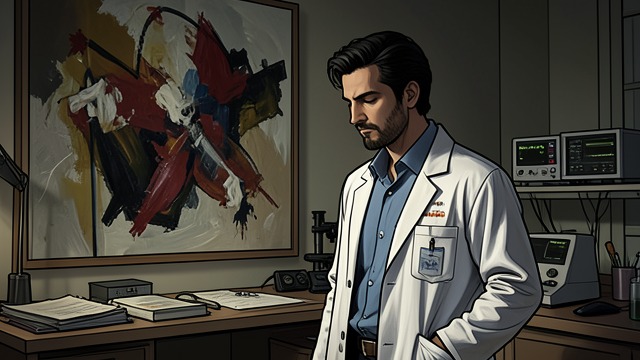
Holding Possibilities Open
A researcher’s restraint
Roland Griffiths is willing to entertain the possibility that experiences may or may not be true. He treats the mystery as a scientific question rather than an invitation to premature certainty.
Opposing interpretations
Paul McHugh calls the states toxic delirium, while Griffiths points to their reported lasting meaning. Their disagreement exposes the limits of judging experience from outside.
Pollan’s Own Test

Experience Without Conversion
A firsthand encounter
Pollan experiences ego loss, unity with music, and terror without concluding that consciousness exists beyond the brain. The journeys make mystical testimony recognizable without resolving its truth.
A changed confidence
His materialism becomes less secure, not replaced by a single spiritual doctrine. The conflict shifts from choosing a side to living with uncertainty.
The Open Account

Neither Dismissal nor Certainty
Experience has consequences
Pollan insists that drug-mediated events remain psychological facts with durable traces. Calling them drug experiences does not explain their imagery, narrative, or effects.
Reality stays unsettled
He ends more open to mystery but unwilling to claim proof of supernatural worlds. The book’s resolution is a refusal to close inquiry too soon.
As the natural-history inquiry begins
After volunteers report mystical experiences
During Pollan’s conversations with Griffiths
During the journeys with Mary and Rocío
At the book’s ending
